
Talking about money is one of the most uncomfortable parts of private tutoring. Chasing payments and sending reminders can feel awkward when building trust with families.
The good news is that the most successful tutors avoid these awkward payment conversations by setting clear expectations from the start.
TL; DR
Payment conversations don’t have to feel awkward.
The most successful tutors set expectations early, use clear systems, and rely on professional language instead of emotion. When payments are treated as part of the process (not a personal discussion), issues get resolved faster and relationships stay positive.
Table of Contents
Why Payment Conversations Feel Awkward for Private Tutors
For many private tutors, talking about payment can feel awkward because it can feel personal instead of professional. Usually, it’s not the money that creates discomfort. It’s situations like these:
- Tutors want to protect trust with students and families.
- Money discussions can feel transactional in a personal setting.
- There is fear of sounding pushy or insensitive.
- Students may already be under academic pressure.
Unclear pricing or payment expectations force tutors into inconsistent situations. That inconsistency creates hesitation, stress, and awkward follow-ups.
Clear structure turns payment into a process instead of a conversation.
The table below explains why payment conversations feel awkward and how tutoring business management systems help prevent them.
| Situation | What Happens | Why It Feels Awkward | What Helps Prevent It |
| No clear payment policy | Tutors follow up manually | Feels personal instead of professional | Written policies and automated billing |
| Verbal agreements | Expectations differ | Tutors worry about sounding pushy | Standardized payment terms |
| Late payments | Tutors send reminders | Conversations feel reactive | Automatic payment reminders or auto-pay |
| Inconsistent invoicing | Families get confused | Tutors repeat explanations | Scheduled or auto invoicing |
| Manual tracking | Tutors guess who paid | Creates unnecessary tension | Centralized payment tracking |
The Real Reason Tutors end up Chasing Payments
Most payment chasing comes from unclear expectations. When details are shared casually or only explained verbally, families fill in the gaps themselves. That’s how tutors end up in follow-up conversations they didn’t plan for.
Tutors often end up chasing payments when:
- Due dates are unclear or flexible
- Invoices are sent inconsistently
- Payment reminders are handled manually
- There is no single place to track balances
Without a standard process, tutors end up reacting to missed payments instead of preventing them. That takes time away from tutoring and adds unnecessary admin.
Over time, tracking balances and sending reminders becomes a distraction, making payment conversations harder to manage professionally.
How Successful Tutors Set Payment Expectations Upfront
Tutors who avoid payment issues handle it during onboarding, not after lessons begin. Setting expectations before the first session removes uncertainty for both tutors and students.
Successful tutors clearly define key payment details from the start, including:
- Pricing and billing frequency.
- When payment is due.
- How invoices are delivered.
- What happens if a payment is missed.
Sharing this information early makes payment routine and professional.
Written policies also play an important role. Documented payment terms help tutors stay consistent when questions or special requests come up. Instead of negotiating in the moment, tutors can rely on a standard process that applies to everyone.
When expectations are set upfront, families know what to expect, tutors avoid awkward follow-ups, and the focus stays on teaching rather than billing.
What To Say When Payment Conversations Do Happen
Even with clear expectations in place, payment conversations still come up. When they do, the goal is to keep things calm, professional, and focused on your process.
Here are some effective payment communication tactics:
- Uses simple, neutral language (no apologizing or over-explaining).
- Refers to your policies or system, not personal circumstances.
- Stays consistent for every family.
- Clearly explains next steps, like when payment is due or how to complete it.
If a payment is late, avoid framing the message as a personal check-in. Instead of asking whether someone has forgotten, reference the invoice or due date directly. This keeps the focus on the process, not the individual, and reduces emotional tension.
When families ask about pricing, clear explanations help keep the conversation professional. Preparation time, session length, and ongoing support explain how rates are set.
When families ask for exceptions, consistency matters. Referring to your policies helps you stay fair without sounding rigid. A shared process removes the need for on-the-spot decisions and helps protect long-term relationships.
Using professional language helps payment conversations feel easier. When tutors lead with clarity instead of emotion, these moments stay quick and manageable.
How Systems Remove Awkward Money Conversations Entirely
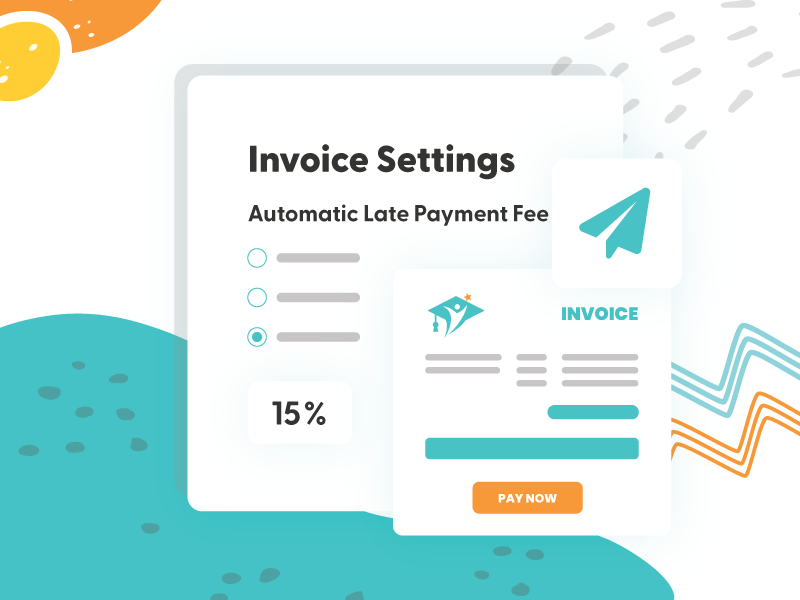
The most effective way private tutors avoid awkward payment conversations is by reducing how often they need to happen. When payment is built into a clear system, it becomes part of the workflow instead of an ongoing discussion.
Tools like TutorBird help reduce payment-related friction by:
- Sending invoices automatically on a set schedule
- Including clear due dates with every invoice
- Processing payments without manual follow-ups
- Keeping payment rules consistent across all students
- Showing payment status in one central place
When these systems are in place, payment becomes a standard process.
Automatic payments reduce friction even further. When payment methods are collected upfront and charges run automatically, tutors don’t need to check balances or send reminders. Payments happen consistently in the background without additional communication.
Centralized payment tracking also plays an important role. With a clear view of invoices, payments, and outstanding balances, tutors always know where things stand. This eliminates guesswork and prevents unnecessary messages that can feel awkward or uncomfortable.
When systems handle payment, tutors stay focused on teaching. Money becomes predictable, professional, and largely invisible, exactly how it should be.
Frequently Asked Questions
How do private tutors ask for payment without it feeling awkward?
Private tutors keep payment conversations comfortable by addressing money early and confidently. When payment is discussed upfront as part of how tutoring works, it feels normal rather than uncomfortable later.
How do tutors deal with late payments?
Late payments are easier to handle when tutors don’t rely on one-off messages. Clear communication and built-in reminders help reduce follow-ups and keep payment discussions short and professional.
Should private tutors require payment upfront?
Many tutors choose upfront payment to avoid uncertainty. Being paid before lessons begin helps tutors spend less time managing payments and more time focused on teaching and supporting students.
How Does TutorBird Help Tutors Avoid Awkward Payment Conversations?
TutorBird helps tutors avoid awkward payment conversations by handling billing and payments behind the scenes. With invoices, payments, and tracking in one place, tutors spend less time following up and more time teaching.
Key Takeaways
- Awkward payment conversations are usually caused by unclear or inconsistent processes.
- Setting expectations upfront prevents most payment issues before they happen.
- Written payment policies help tutors stay consistent and professional.
- Neutral, process-focused language reduces tension when conversations do occur.
- Clear systems remove the need for most payment conversations entirely.
How TutorBird Helps Turn Payment Conversations into Background Processes
TutorBird helps tutors run their business smoothly without uncomfortable follow-ups or manual work. Clear expectations and automated billing help keep payment simple and predictable.
Whether tutoring online, in person, solo or with a team, tutors use TutorBird to keep payment routine and predictable. That means less time on logistics and more time teaching.
✨ Clear expectations. Fewer conversations. More time to tutor.
Need help with payments or billing? TutorBird’s support team is happy to help at https://support.tutorbird.com/.
 English
 French
 Spanish
 Dutch
Dutch
 German
 Polish

